Heat pumps have become a popular heating and cooling solution for Massachusetts homeowners. They offer an efficient, all-in-one alternative to traditional HVAC systems. Many people are surprised to learn that heat pumps don’t generate heat as a furnace does. Instead, they move existing heat, making them a highly energy-efficient option for year-round comfort in your home.
This clever process of heat transfer allows a single system to warm your home during chilly winters and cool it during humid summers. Becoming familiar with how this technology works can help you decide if it’s the right fit for your property.
What Is a Heat Pump?
A heat pump is an electrical device that provides both heating and cooling from a single, integrated system. In the summer, it functions like a standard AC, removing heat from inside your home and releasing it outdoors. In the winter, it reverses this process, extracting heat from the outdoor air and transferring it inside to warm your living spaces.
Because heat pumps move heat rather than create it through combustion, they operate with high efficiency. This dual-function capability not only simplifies your home’s mechanical systems but can also lead to significant energy savings and a more consistent indoor climate.
How Does a Heat Pump Work?
A heat pump’s effectiveness lies in its refrigeration cycle, which can run in two directions. Whether heating or cooling, the system is always transferring thermal energy from one location to another.
Cooling Mode
During Massachusetts summers, your heat pump works as an air conditioner. The indoor unit contains an evaporator coil that absorbs heat from your home’s air. The refrigerant flowing through this coil changes from liquid to gas as it absorbs thermal energy.
This gas then travels to the outdoor unit, where a compressor pressurizes it, and a condenser coil releases the captured heat into the outside air. The now-cool refrigerant cycles back indoors to repeat the process, keeping your home cool.
Heating Mode
In winter, the system reverses. The outdoor unit’s coil acts as the evaporator, absorbing heat energy from the cold outside air. Even on cold days, thermal energy exists in the air.
The refrigerant absorbs this heat and turns into a gas, which is sent to the compressor. After being pressurized, this hot gas travels to the indoor unit, which now acts as the condenser. It releases heat into your home’s air, and the refrigerant cycles back outside to gather more.
The Main Components of a Heat Pump
A heat pump system has several key parts that work together to move heat effectively.
- Indoor Unit: Air handler that circulates indoor air over coils
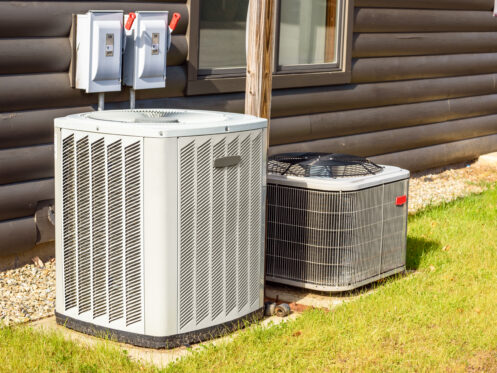
- Outdoor Unit: Houses the compressor, coil, and fan for heat exchange
- Refrigerant: Fluid that absorbs and releases heat during circulation
- Compressor: Pressurizes refrigerant to move heat through the system
- Reversing Valve: Switches the system between heating and cooling modes
Why Heat Pumps Work in Massachusetts
A common misconception is that heat pumps are unsuitable for climates with cold winters like ours in Massachusetts. However, modern heat pump technology has advanced significantly, making heat pumps a viable and efficient option even in cold weather.
Today’s cold-climate heat pumps are engineered for improved low-temperature performance, allowing them to effectively extract heat from the air well below freezing. During extreme cold snaps, they can be paired with a supplemental heating source, such as a small electric resistance heater or an existing furnace, to keep your home warm.
Benefits of Installing a Heat Pump
Switching to a heat pump system offers numerous advantages for homeowners.
- Heating and cooling from a single unit
- High energy efficiency by moving heat
- Lower monthly energy and utility bills
- More consistent temperatures and humidity control
- Smaller carbon footprint without burning fossil fuels
Heat Pumps vs. Traditional HVAC Systems
When considering a new HVAC system, it’s helpful to compare heat pumps directly with the equipment you may already have in your home.
Heat Pumps vs. Furnaces
A furnace generates heat by burning fuel like natural gas, oil, or propane. While effective, this is less efficient than a heat pump’s heat-transfer method. A furnace only provides heat, meaning you still need a separate air conditioner for cooling. A heat pump handles both tasks in one efficient unit.
Heat Pumps vs. Central Air Conditioners
A central air conditioner and a heat pump are similar in cooling mode; they both use a refrigerant cycle to remove heat from your home. The key difference is that a central AC can only cool. A heat pump includes a reversing valve that allows it to provide heating as well.
Heat Pumps vs. Boiler Systems
Boilers heat water that circulates through radiators or baseboard heaters to provide radiant heat. This is a different type of heat than the forced-air heat from a heat pump. Boilers are known for comfortable, consistent heating. However, like furnaces, they don’t provide cooling. A heat pump offers both heating and cooling through your home’s ductwork.
Is a Heat Pump Right for Your Home?
Deciding if a heat pump is the best choice involves looking at several factors specific to your home and goals. Consider your existing heating system; a heat pump can replace it entirely or work with it in a hybrid setup. If your primary goal is to improve energy efficiency and lower utility bills, a heat pump is an excellent investment. Your home’s layout and insulation quality are also important. A well-insulated and properly sealed home will get the most benefit from a heat pump’s efficiency.
Learn More About Heat Pumps With Pioneer Valley Environmental
A heat pump is a powerful, efficient, and versatile solution for year-round home comfort. By understanding how they transfer heat, you can see why they could be a solid choice for homeowners.
If you’re ready to explore the benefits for your home, our team at Pioneer Valley Environmental is here to help. For a professional heat pump consultation in the Belchertown area, contact us today!
Frequently Asked Questions
A heat pump heats a home by absorbing thermal energy from the outdoor air (even when it’s cold) and transferring that heat indoors. A special refrigerant circulates to the outdoor unit, absorbs heat, and then gets compressed to a high temperature before releasing the heat inside your home.
Yes, absolutely. Modern cold-climate heat pumps are specifically designed to operate efficiently in freezing temperatures. For the coldest days of the year, they can be paired with a supplemental heat source to ensure your home always stays warm.
In terms of energy usage, yes. A high-efficiency gas furnace might be 95% efficient, meaning 5% of the fuel energy is lost. A heat pump can be 300-400% efficient because it doesn’t create heat; it just moves it.
Yes. A heat pump provides both heating and cooling. In its cooling mode, it functions identically to a standard central air conditioner, making it a complete replacement for your AC unit.
The primary disadvantages can be a higher initial installation cost compared to separate furnace and AC units and reduced heating efficiency in extremely cold temperatures (below 5-10°F) without a supplemental heat source. However, long-term energy savings often offset the upfront cost.
With proper installation and regular professional maintenance, a modern heat pump can be expected to last 15 to 20 years. Consistent care, like annual tune-ups, is key to maximizing its operational lifespan.