The Pioneer Valley in Western Massachusetts is truly a gorgeous sight to behold in the winter. However, freezing temperatures also damage homes and businesses. This is especially true if your property has old pipes. Their expanding and contracting during those freeze-thaw cycles can damage old plumbing systems.
At Pioneer Valley Environmental, we see firsthand how freezing temperatures can wreak havoc on residential infrastructure. Aging pipes already deal with thinner walls, corrosion, and weaker joints. Adding freezing temperatures to the mix often spells disaster. We’ll explain how freezing affects old pipes and how you can prevent this damage.
The Physics of Freezing Water in Pipes
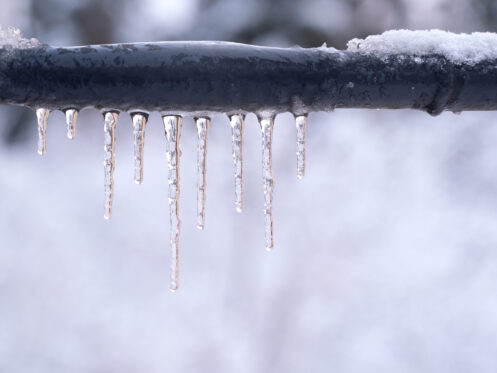
Water expands when it freezes. The process introduces more volume, causing pipes to expand from the inside. With a healthy, younger, or stronger pipe, this isn’t a big deal. The pipe expands some, then contracts when the ice thaws. In older pipes, however, this is more than a minor shift. That expansion-contraction dance with an old pipe can ruin the material. It can break seals, collapse, and even burst.
The pipe rupture doesn’t always happen where the ice forms. The ice blocks the pipe like a plug. This pushes any water in the pipe toward the faucet and bends in the system. The hydrostatic pressure that builds here causes most pipe failures. This tends to happen at joints. The joint is as old as the pipe itself, and it can fail more easily.
Why Aging Pipes Are at Higher Risk
Builders didn’t necessarily construct older homes with the future of the plumbing in mind. Copper and galvanized steel were the go-to materials, so builders frequently used them. The issue here is that these steel pipes rust from the inside out. With a galvanized pipe, the internal surface rust washes away, which thins the pipe wall. When it freezes, this flex puts stress on the pipe.
Copper is more flexible, but the pipes frequently burst open at the seals where technicians soldered the joints. The process of thermal expansion can cause these issues. If your aging pipes have any weak points, those points will be the first to go when your pipes freeze. It’s not a matter of “if,” but rather of “when.”
Let’s look at some tips to keep your old pipes from freezing.
Insulate Exposed Pipes
One of the most effective ways to prevent your aging pipes from failing is to provide them with a thermal barrier. You need to protect pipes in unheated areas of your home. These typically include:
- Unfinished basements
- Attic spaces
- Vented crawl spaces
- Garage interiors
- Exterior wall cavities
Foam sleeves and fiberglass wrap options are available online or at any big box store. This type of insulation focuses on keeping the heat inside your pipes rather than keeping the cold out. It keeps the water above the freezing point. This simple fix can help you avoid burst pipes and blown joints.
Maintain Consistent Indoor Temperatures
Keeping your temperatures consistent at night helps the water in your pipes stay above freezing. To save money, many homeowners cut down their heat while they’re sleeping. If you’re dealing with a cold snap, however, keep your house warmer. This ensures that your water always stays above the freezing point.
We recommend keeping your thermostat set to the same temperature both day and night—at least during periods where it’s well below freezing. The entire home reaches a point of equilibrium where the water stays at a constant temperature along with your home. It might not look great on your heating bill for a month or two, but it’s better than busted pipes.
Allow Faucets to Drip
This old-timer’s hack is still in use today because it’s so effective. Running water is far less likely to freeze during cold temperatures. You don’t have to leave your faucet running; a simple drip will do.
Not only does this method make it harder for the water to freeze, but it also provides pressure relief. No water or air stops up in the pipes. If something does freeze, the pressure has a place to release. You are far less likely to deal with cracks or joint blow-outs when you allow a slight drip from the faucet.
Open Cabinet Doors
Plumbing often sits behind cabinets, running into walls. Even having your sink traps freeze can cause those seals to bust. By opening your cabinet doors, you allow your home’s heat to keep any trapped water above freezing. You do not have to point a space heater at the pipes. The ambient heat from the home will more than suffice.
During a cold snap, prop open the cabinet doors under your sinks. This allows the heat from your living space to surround the pipes. It’s quick, effective, and costs you nothing but a few seconds of your time.
Recognizing the Signs of a Frozen Pipe
Early detection is key to preventing a full-scale burst. There are ways to tell if you have a frozen pipe. For instance, turning on your faucet but only getting a trickle of water is a tell-tale sign. Also, pay attention to odors coming from drains. Ice can block vent stacks, which causes sewer gases to back up into the home.
If you suspect that a pipe is frozen, immediately give us a call. Taking your blow dryer to the pipes is great for a comedy movie, but it won’t do much to help. You’re working against time with frozen pipes. As the pressure builds, it needs a place to go. It’s either going to harm the seals or force its way out of your faucets. Either way, it creates an expensive mess to fix. Let the professionals handle things.
Protecting Your Property With Professional Help
At Pioneer Valley Environmental, we pride ourselves on being the premier plumbing contractor in the area. We understand how cold weather affects this region and the sorts of plumbing challenges you face. Our goal is to help you enjoy your winter without dealing with busted pipes. A situation where you require an emergency plumber is not something you want to go through. This is especially true in the brutal cold of a Pioneer Valley winter.
As a full-service plumbing and HVAC contractor, Pioneer Valley Environmental offers a wide range of solutions to keep your home running smoothly. We offer a full range of plumbing services that go well beyond helping you winterize your pipes. We handle water heater repair, repiping, leak detection, and more. We are in business to help with your home comfort needs. During the winter, we want to help you keep your pipes functioning.
Contact Pioneer Valley Environmental today for more information about winterizing your pipes in the Pioneer Valley!