If you live in an older Massachusetts property, you may have noticed a difference in temperature as you move between rooms. Putting on more layers can solve your comfort issue. However, it won’t address the underlying issues with your home or heating system that caused the uneven heating.
While your initial reaction might be to check the thermostat, that often isn’t enough to get to the bottom of things. There are several underlying causes of uneven heating in older Massachusetts homes. The following guide explains some of these possibilities. We also provide tips on how to troubleshoot the problem and when to call in the professionals.
Blocked Registers
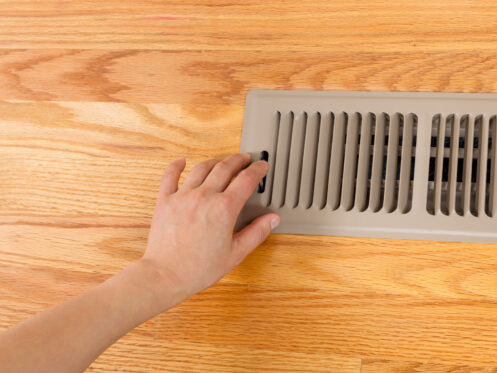
When you notice uneven heating in any given room, the first thing to check is the register. If rugs, clothing, drapery, or other objects obstruct the register, air cannot flow into the room. Make sure that it has at least 6 inches of clearance for optimal airflow. Also, check that the register is fully open. Additionally, it’s good practice to regularly clean dust and other debris off your register covers to improve indoor air quality in your home.
Dirty or Clogged Air Filter
Another possible reason for uneven temperatures is a clogged air filter in the intake vent. The general recommendation is to change it every two to three months. You should check it monthly if you have pets, a dusty outdoor environment, or household members with respiratory sensitivity. A clogged filter restricts airflow into the system. With low airflow, conditioned air may not reach the furthest areas of your home. If a new filter doesn’t fix the airflow issues, contact our technicians at Pioneer Valley Environmental for service.
Thin Seals, Cracks, and Other Gaps
Older homes tend to be drafty. While this is great for promoting proper ventilation, it can make some rooms much less comfortable. It also makes it much harder for your heater to distribute heat evenly throughout your house. Rooms that feel colder likely have multiple gaps or cracks around windows or outside doors. Cold air can also penetrate your home through outlets, around the attic hatch, or at foundation joints. You can apply a sealant to gaps around windows and weatherstripping to doors to stop these drafts.
Older Windows
Older Massachusetts homes are likely equipped with aging, single-pane windows. You can lose significant heat through the glass itself. Plus, if the window seals are worn, you’ll get significant drafts. Upgrading to insulated windows with a thermal coating will help keep room temperatures stable. Alternatively, you can apply window film to existing windows to achieve a similar UV-blocking effect and prevent heat exchange. Installing thermal curtains will further block heat transfer in that room. For rooms that often face strong wind gusts, use draft stoppers and weatherstripping to prevent cold air from blowing through.
Inadequate Insulation
Insulation is prone to weakening and thinning over time. As with cracks and gaps, poor insulation reduces the effectiveness of your heater. Newer technologies enable insulation in areas that were previously too hard to reach. Also, insulation deteriorates and becomes less effective over time. This means that many aging Massachusetts homes can benefit from replacing damaged insulation and adding more insulation.
While proper insulation is beneficial throughout your building, the basement and attic should take priority. Basements may have little to no insulation. Because heat rises, attics are often a significant source of heat loss. Adding insulation to these two areas might significantly improve comfort and lower energy bills.
Incorrect Heater Size
Each heater is designed with a specific range of square footage in mind. If you have an improperly sized furnace, you will experience uneven heating. Oversized heaters will quickly heat up areas near the registers, then shut off. Heat doesn’t reach all areas of the home, and they will soon turn on again.
An undersized heater will fail to deliver sufficient warmth to heat your entire house. They will continue to run for extended cycles to reach the set temperature. In either case, you will likely need to replace it with a more suitable model. When we install new units, we first perform a load calculation to determine the unit size best suited to your household.
When performing home renovations or adding additional rooms to a floor plan, a common mistake is to forget to account for heater size. If you recently augmented your home, this may be the cause of your equipment mismatch. The next time you plan on making huge changes to your home, be sure to schedule a load calculation to determine if you will need a new heater as well.
Improper Thermostat Location
Even when your heater is the appropriate size, there may be issues with where the thermostat is placed within your home. If it’s too close to windows without thermal guards, direct sunlight can cause the sensors to warm up prematurely. Placing near heat-producing appliances, such as your dryer, will also affect temperature readings. This will make your heater shut off before each room is properly warmed. When a furnace or heat pump sits too close to the thermostat, the sensors on that can also pick up inaccurate readings. Moving your thermostat to a new location is a big job that requires a trained professional to perform it safely and effectively.
Issues With Ductwork
The layout of your air ducts will determine how easily air can flow throughout your residence. Since each house is unique, a custom ductwork solution is always recommended. As ductwork ages, it’s prone to cracks, gaps, and leaks. This allows warm air to escape and allows contaminants to enter. In addition to uneven temperatures, you might notice a significant decline in indoor air quality. When we install new systems, we make sure the ductwork is adequate. If not, we can install new ducting.
The Furnace Keeps Short Cycling
In most conditions, your furnace or heat pump should run for 10 to 15 minutes. In extreme cold, it will likely run longer. Frequent short cycles lead to uneven temperatures and put undue wear and tear on your HVAC system. If you already checked your air filters and thermostat, you likely need a repair visit to determine why your furnace is malfunctioning. Investing in regular HVAC maintenance can help prevent this and other issues.
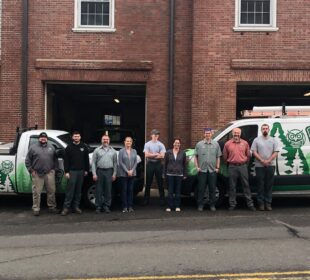
Pioneer Valley Environmental has over 25 years of quality experience serving the families of the Quaboag Valley area. We have won many loyal customers thanks to our commitment to excellence, safety, and fair pricing. Our team is well-versed in the latest HVAC innovations and brings a friendly demeanor to every project. We can help with HVAC maintenance and general heating or cooling services. We work with oil, propane, and gas boilers and furnaces. We provide 24/7 emergency service for all those HVAC problems that just can’t wait.
For trustworthy heating services in Belchertown, MA, contact Pioneer Valley Environmental today!