
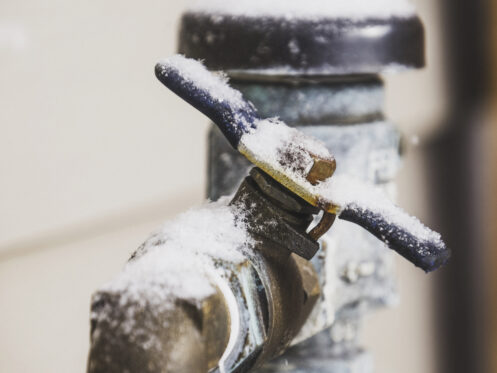
When winter settles over Western Massachusetts and temperatures drop below freezing, most homeowners focus on keeping the furnace running and the house warm. What you may not notice is how cold weather quietly stresses your plumbing. Tiny cracks, loose fittings, and pinhole leaks can appear in January, and while they might seem minor at first, by the time spring arrives, those issues can turn into major water damage inside your walls, ceilings, and floors.
Why Winter Is Hard on Your Plumbing
Winter is one of the toughest seasons for your plumbing system. When temperatures swing between freezing nights and slightly warmer days, the water in and around your pipes expands and contracts. Exterior walls, crawl spaces, and unheated basements often get the coldest, which means the pipes in those areas face the greatest stress. Over time, this movement can weaken joints and fittings and create tiny fractures in older pipes.
Homes in the Pioneer Valley often have a mix of newer updates and older construction. That combination can leave some lines well protected and others more exposed. Pipes that run through poorly insulated areas, garages, or near foundation walls are more likely to experience freezing conditions. Even if they do not burst completely, they can develop hairline cracks and slow leaks that are hard to spot until damage has already spread.
How Tiny Leaks Start in Cold Weather
Not every winter plumbing problem involves a dramatic burst pipe. Many begin as small leaks that develop when a fitting loosens, a valve fails, or a pipe wall develops a pinhole opening under pressure. These tiny leaks may only release a small amount of water at a time, but they can drip for weeks or months without drawing attention, especially if hidden behind drywall or under insulation.
In some cases, frozen sections thaw and refreeze multiple times over the season, each cycle putting more stress on the pipe material. The result might be a drip under a sink that only appears during certain temperatures, a damp spot around a hose bib, or moisture in a ceiling below a bathroom. Because these signs can be subtle, it is easy to assume they are minor, yet even a slow winter leak can soak framing, insulation, and flooring by the time warm weather returns.
What Happens Between Winter and Spring
Once a small leak starts, the calendar keeps moving even if you do not see obvious damage. Throughout winter, water seeps into building materials and trapped spaces. Insulation can hold moisture like a sponge, wood framing slowly swells, and hidden cavities stay damp because they never get enough air circulation to dry. The colder it is outside, the longer that moisture lingers inside walls and ceilings.
When spring arrives and temperatures climb, the environment inside those damp areas changes. Warmer air meets wet materials, creating the ideal conditions for mold growth. Materials that have been saturated for months may begin to warp, crack, or crumble. What started as a tiny winter pipe leak can now show up as visible stains on ceilings, peeling paint, musty odors, or soft spots in flooring. At that point, you are no longer dealing with a small plumbing issue but with larger water damage that may require more extensive repairs.
Hidden Warning Signs You Shouldn’t Ignore
Because winter pipe leaks are often out of sight, paying attention to early warning signs is one of the best ways to prevent major water damage by spring. Some clues are subtle, such as a faint discoloration in a ceiling corner or a slight bump in a baseboard. Others are easier to notice, including sounds of running water when fixtures are off or an unexplained increase in your water bill.
Signs that may point to a hidden winter pipe leak include:
- New stains or shadows on ceilings or walls
- Soft or spongy drywall, trim, or flooring
- Musty odors in specific rooms or closets
- Cold or damp spots on floors or along exterior walls
- Persistent dripping sounds with no visible source
- Water meter movement when all fixtures are off
If you notice one or more of these signs, especially during or after a cold spell, it is important to act quickly. The longer a leak continues, the more likely it is to cause structural damage, mold growth, and costly repairs by the time warmer weather arrives.
How Small Leaks Turn into Big Repairs
Water always looks for the easiest path, and in a home, that path often leads through materials that were never meant to get or stay wet. A slow leak in a ceiling can travel along joists and drip in a completely different location, making the source harder to find. Moisture can weaken fasteners, rust metal components, and loosen adhesives. Over time, you might see tiles lifting, hardwood floors cupping, or drywall seams separating, even though you never saw standing water.
In addition to physical damage, long-term moisture provides the perfect environment for mold and mildew. Once spores take hold inside wall cavities or under flooring, they can spread beyond the original leak area. Cleaning up that kind of growth usually requires more than simply drying the surface. Materials may need to be removed and replaced, and the moisture source must be fully addressed to prevent the problem from returning.
Steps You Can Take to Protect Your Home
You can’t control the weather in Southern New England, but you can reduce the risk that a small winter pipe leak will surprise you in spring. One important step is to keep vulnerable areas as warm as possible. That may mean keeping interior doors open so heated air can reach pipes near exterior walls, or avoiding turning the thermostat down too far at night or during trips in the coldest months.
Pay especially close attention to areas where pipes are more exposed, such as under sinks, near garage walls, or in basements and crawl spaces. If you notice drafts or particularly cold areas, mentioning them during a service visit can help us identify potential trouble spots. While detailed repairs and modifications should always be handled by trained professionals, simply being aware of where your plumbing runs and watching for changes can make a big difference.
Plan Ahead Before the Snow and Ice Return
The best time to think about how small winter pipe leaks turn into major water damage by spring is before cold weather arrives. Scheduling routine HVAC and plumbing checkups, addressing known drafty areas, and paying attention to early warning signs all help reduce the chance of a surprise leak that grows quietly for months. Even if you are already into the winter season, it’s never too late to ask questions and have suspicious areas checked.
At Pioneer Valley Environmental, we offer full plumbing services, including installation and maintenance. Contact Pioneer Valley Environmental today to schedule an evaluation and learn how proactive leak detection and repair can keep minor winter plumbing issues from turning into major water damage by spring.