
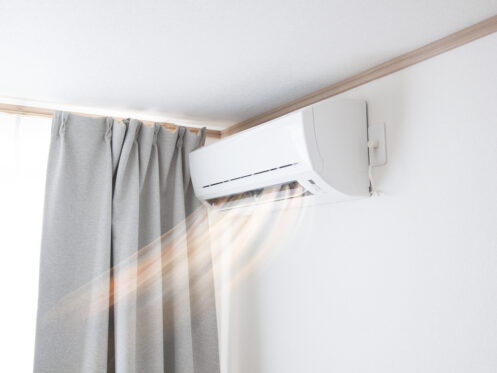
Finding the perfect heating and cooling solution can be a challenge, especially in homes with unique layouts or without existing ductwork. For many homeowners, mini-splits offer a flexible and highly efficient way to achieve consistent comfort without extensive renovations. They are an excellent option for a wide range of properties, from historic houses to modern constructions.
Mini-split systems are a great choice for many homes in Belchertown and across Western Massachusetts. Whether you have a recent home addition, a finished basement or garage, or specific rooms that are always too hot or too cold, a ductless mini-split can provide targeted temperature control right where you need it most. This technology allows you to solve long-standing comfort issues effectively and efficiently.
What Is a Mini-Split?
In simple terms, a mini-split (often called a ductless mini-split or heat pump) is a ductless HVAC system that provides heating and cooling directly to a specific room or “zone” in your home. Unlike central air systems that rely on a network of ducts to distribute conditioned air, mini-splits use a dedicated indoor unit for each area they serve. This targeted approach eliminates energy loss associated with ductwork and gives you precise control over your environment.
These systems are a popular choice for their versatility and efficiency. Understanding their basic characteristics can help you see why they might be the perfect fit for your home comfort needs.
- Outdoor condenser and indoor air-handling units
- Less invasive installation without ducts
- Single-zone or multi-zone configurations
How Does a Mini-Split Work?
The operation of a mini-split is based on a simple heat transfer process. The system moves heat energy from one place to another rather than creating it through combustion like a furnace. This is what makes them so efficient for both heating and cooling.
The outdoor unit contains a compressor and condenser, which is the heart of the system. In cooling mode, it absorbs heat from inside your home and transfers it outdoors. In heating mode, the process reverses, extracting heat from the outdoor air (even in cold weather) and moving it inside. A special fluid called refrigerant circulates through copper tubing, called refrigerant lines, that connect the indoor and outdoor units, facilitating this heat exchange.
The indoor units then take this conditioned refrigerant and use a quiet fan to blow air over the coils, distributing warm or cool air directly into the room. Because most modern mini-splits are heat pumps, they can provide powerful heating and cooling from the same system, making them an ideal year-round solution for the varied climate extremes that we experience here in Western Massachusetts.
Key Parts of a Mini-Split System
A ductless mini-split is made up of a few essential components that work together to keep you comfortable. Each part plays a critical role in the system’s performance and efficiency.
- Outdoor Condenser/Heat Pump: Houses the compressor and condenser coil
- Indoor Air Handler: Distributes air with an evaporator coil and fan
- Refrigerant Lines: Carries refrigerant between indoor and outdoor units
- Electrical Connection: Powers the system via a dedicated circuit
- Control System: Remote, thermostat, or smart home integration
Where Mini-Splits Work Best in the Home
The flexibility of mini-splits makes them a perfect solution for a variety of challenging spaces where traditional HVAC systems might not be practical or cost-effective. Their ability to provide zoned comfort is a major advantage.
- Home additions
- Finished basements
- Garages and workshops
- Sunrooms
- Bonus rooms
- Home offices
- Older homes without ductwork
Benefits of Installing a Mini-Split
Homeowners who choose to install a ductless mini-split system enjoy a wide range of benefits that go beyond just heating and cooling. These advantages contribute to greater comfort, lower energy bills, and a better overall home environment.
- Energy-efficient heating and cooling
- Room-by-room temperature control
- No major ductwork installation
- Quiet operation
- Improved comfort in problem areas
- Flexible installation options
Is a Mini-Split Right for Your Belchertown Home?
Deciding on a new HVAC system is a big decision. To determine if a mini-split is the right choice for you, consider your home’s layout, your specific comfort goals, and your existing heating and cooling equipment. If you have rooms that are consistently too hot in the summer or too cold in the winter, a ductless system could be the answer.
These systems are particularly beneficial for homes without existing ducts, as they provide a path to high-efficiency air conditioning and heating without a complete overhaul of your property. They are also an excellent supplement to an existing system, especially for new additions or renovation projects.
However, the key to a successful installation is proper sizing and placement. A system that is too large or too small will not operate efficiently. That’s why professional consultation is essential to ensure you get the performance and energy savings you expect.
Learn More About Mini-Split Installation with Pioneer Valley Environmental
For homeowners in Belchertown and throughout Western Massachusetts, mini-splits offer an incredibly effective and efficient way to manage home comfort. From resolving hot and cold spots to providing a climate control solution for ductless homes, their flexibility is unmatched. With professional installation, you can enjoy customized comfort in any room, all year long.
At Pioneer Valley Environmental, our well-trained technicians have been helping local homeowners find the perfect HVAC solutions since 1999. We understand the unique needs of properties in our area and are dedicated to ensuring your comfort. If you’re interested in exploring how mini-split systems can improve your home, our team is here to help. To schedule a consultation with our experts in Belchertown, contact us today.
Frequently Asked Questions
Yes, absolutely. The vast majority of modern mini-split systems are heat pumps, which means they are designed to provide both heating and cooling. They work by moving heat, so in the summer, they move heat out of your home, and in the winter, they reverse the process to bring heat into your home from the outside air.
With proper installation and regular professional maintenance, a quality mini-split system can be expected to last between 15 and 20 years. The lifespan is comparable to that of traditional central HVAC systems. Consistent care, such as cleaning filters and having annual tune-ups, is key to maximizing its longevity and efficiency.
No, mini-splits are known for their high energy efficiency. Because they don’t have losses associated with ductwork and allow you to heat or cool individual zones, they often use significantly less electricity than central air conditioners or window units. Many models are ENERGY STAR® certified, indicating they meet strict efficiency guidelines set by the U.S. Environmental Protection Agency.