
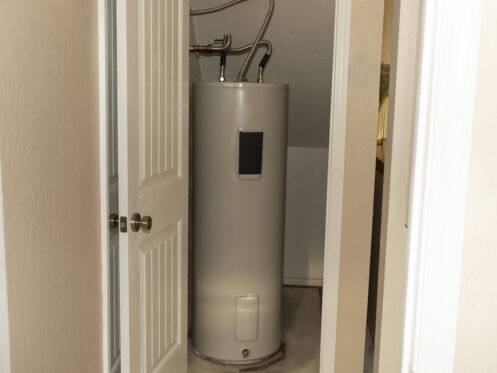
Hearing popping, gurgling, or knocking sounds from inside your water heater in your Belchertown, MA home can leave you confused and concerned. The noise is likely caused by sediment at the bottom of the tank. When a layer of sediment traps water and air bubbles, changes in water pressure and thermal expansion can lead to those annoying pops and bangs. Learn more about what’s behind these startling sounds and how to handle the problem.
What Causes a Water Heater to Make Popping or Banging Noises?
Unusual noises from a water heater often provide clues about what’s happening inside. The sound’s type, volume, and timing can help a professional diagnose the underlying issue. While some noises are relatively harmless, others signal a problem that requires attention.
Sediment Buildup Inside the Tank
Mineral sediment is the most frequent source of popping noises in tank-style water heaters. As water heats, minerals like calcium and magnesium settle at the bottom of the tank, forming a thick layer of scale. This buildup creates an insulating barrier between the heating mechanism and the water.
When water trapped under this crust gets superheated, it turns to steam. Steam pressure forces its way through the sediment, creating popping, crackling, and rumbling noises as bubbles burst.
Thermal Expansion of Water Heater Components
Your water heater and its connected pipes are made of metal, which expands when heated and contracts as it cools. This movement can sometimes produce clicking or knocking sounds, which often occur as the water heater cycles on and off. While generally not a major problem, persistent or loud expansion noises could indicate that pipes are rubbing against your home’s structural components. A professional inspection can confirm if your water heater needs adjustment.
Water Pressure Changes and Water Hammer
A loud bang that occurs when you turn a faucet on or off quickly is often due to a water hammer. This happens when fast-moving water in your pipes suddenly stops, creating a shockwave that reverberates through the plumbing system. The resulting bang can sound like it’s coming from your water heater, but it’s an issue with your home’s connected plumbing. High water pressure can worsen water hammer, and you need a professional plumber to evaluate the situation.
Is a Popping or Banging Water Heater Dangerous?
Occasional, minor popping or clicking sounds may not indicate an immediate danger. But never ignore persistent, loud, or worsening noises. These sounds can warn that your water heater is under stress, losing efficiency, or developing a more serious problem. Paying attention to other warning signs can help you decide when to call a professional.
- Loud or frequent banging sounds
- Leaks or pooling water near the tank
- Inconsistent temperatures or hot water loss
- Noticeable reduction in hot water
- Unusual odors, rust, or corrosion
If you notice significant leaks, overheating, or a suspected gas leak, stop using the equipment immediately. For gas heaters, shut off the gas supply if you can do so safely. Then contact a professional. Our team at Pioneer Valley Environmental offers 24/7 emergency services for these urgent situations.
Can Sediment Buildup Damage Your Water Heater?
Yes, long-term sediment accumulation can cause significant damage to your water heater. The layer of mineral buildup at the bottom of the tank interferes with heat transfer, forcing the burner or heating elements to run longer to heat the water. This reduces energy efficiency and places excessive strain on the components.
For a gas water heater, this constant overheating can weaken the metal at the bottom of the tank, eventually leading to cracks and leaks. In an electric model, sediment can encase the lower heating element and cause it to burn out. Over time, this accelerated wear and tear can shorten the equipment’s lifespan. Regular professional maintenance is the best way to manage sediment.
How Can You Stop a Water Heater From Making Popping Noises?
The right way to stop a water heater from making noise depends entirely on the cause. Because solutions range from simple maintenance to complex repairs, it’s best to have a qualified professional diagnose the problem. Attempting DIY repairs on a water heater can be dangerous, especially with gas-powered models.
Professional Water Heater Flushing
For noises that stem from sediment, professional tank flushing is the most effective solution. A trained technician will safely drain the tank and flush out the accumulated minerals and scale. This service can restore quiet operation and improve your water heater’s efficiency. If sediment has built up for years, it may have hardened to the point where complete removal is impossible, so replacement may be a better option.
Water Pressure and Component Inspections
If sediment isn’t the issue, a technician will perform a comprehensive inspection to identify the source of the noise. This includes checking your home’s water pressure to rule out water hammer. The technician will also inspect the temperature and pressure relief valve and examine heating components. They’ll check connected plumbing for signs of stress from thermal expansion. This thorough diagnosis helps them identify the right problem to address.
Repairs or Equipment Replacement
Depending on the inspection findings, you may need only a targeted repair. This could involve adjusting pipe supports, installing a water hammer arrestor, or replacing a faulty component. However, if the water heater is old, the tank is corroded, or the problems are recurring, our technician may recommend replacement as the more cost-effective solution.
How Often Should a Water Heater Be Serviced to Prevent Noises?
Routine maintenance is key to preventing popping noises and extending the life of your water heater. An annual professional inspection allows a technician to identify developing issues before they become major problems. During a maintenance visit, a professional will typically check all components, test safety features, and flush the tank if necessary.
The ideal frequency for tank flushing depends on factors like the age of your system, manufacturer recommendations, and the hardness of your local water supply in Belchertown. Preventive care helps manage sediment accumulation, reduces unnecessary wear, and helps you avoid the inconvenience of unexpected breakdowns.
When Should You Replace a Noisy Water Heater?
Unusual noises alone do not automatically mean your water heater needs replacement. However, noise is often one of several signs that the appliance is nearing the end of its life. The typical lifespan for a tank-style water heater is 8 to 12 years, though this can vary.
- The equipment is over a decade old.
- It needs frequent repairs.
- Popping noise persists after professional flushing.
- There is rust, corrosion, or tank leaks.
- There’s not enough hot water for your household
A professional evaluation by a licensed plumber can help you weigh the costs and benefits of repair versus replacement. If it’s time for a new water heater, they can help you explore modern, high-efficiency options, including traditional tank and tankless models.
Schedule Professional Water Heater Service in Belchertown, MA
Persistent, loud popping and banging noises from your water heater aren’t always an emergency, but you still need a qualified professional to investigate. The experienced plumbers at Pioneer Valley Environmental help homeowners with residential water heater services in Belchertown, MA, and the surrounding areas.
For expert diagnosis and reliable water heater service in Belchertown, trust our team to do the job right. Contact Pioneer Valley Environmental today to schedule an appointment!